Agustín’s Look Book
Autobiographical Screenplay Workshop
Girl in a Dress
A girl in a frilly dress, usually pink and sometimes yellow, is a symbol that represents in-betweenness and/or duality, in other words, a nepantlera. She is not merely stuck between two (or more) worlds, she masterfully navigates multiple worlds simultaneously. She can be paradoxical and some might misunderstand her as hypocritical, but she has a point of view and that tends to stoke anger in those who under the influence of patriarchy. Don’t be fooled by her frilly dress, she will you fuck you up. In this form, she is usually reflecting on, and in the process of, healing a relationship with an important woman in her life, like her mom, her best friend, or herself.
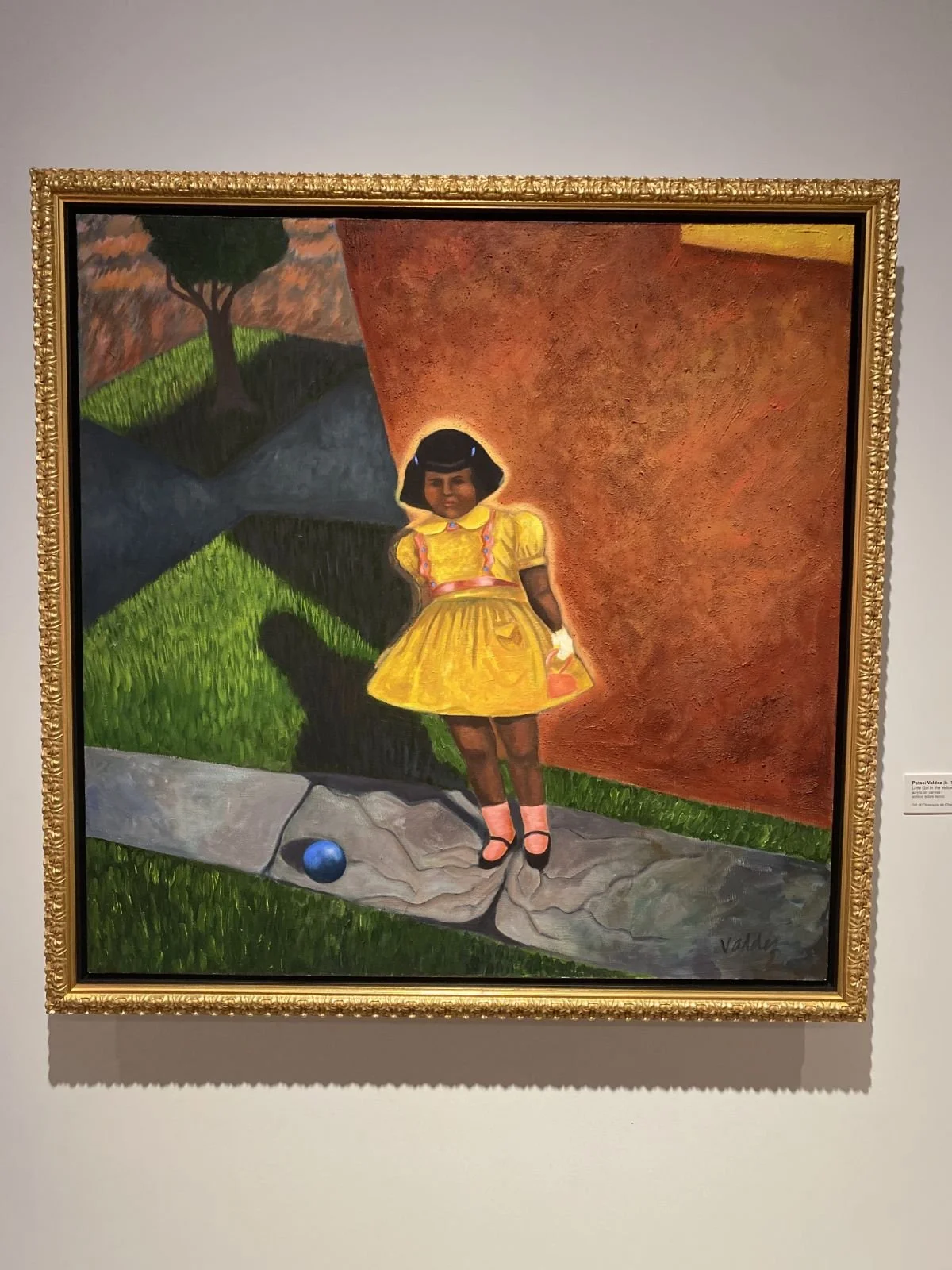
Little Girl with Yellow Dress, 2005, Patssi Valdez, https://digital-collections.csun.edu/digital/collection/univ-art-coll/id/150/, https://youtu.be/96b8mjUYoRw.
Valdez, a member of the Chicano art collective Asco, is best known for her performance art and installation work, but I really connect with this painting. While it is not explicitly states, I have always understood this piece to serve as a self-portrait based on a memory. It reminds me of my own childhood and I think I looked like her. Valdez is very much a nepantlera. She is so girly, so glam, so beautiful, and she doesn’t take shit from anyone. She says what others might be too afraid to say. In the beginning of her career, she was often the sole woman amongst her male counterparts, but instead of wilting she outshined everything in her path.
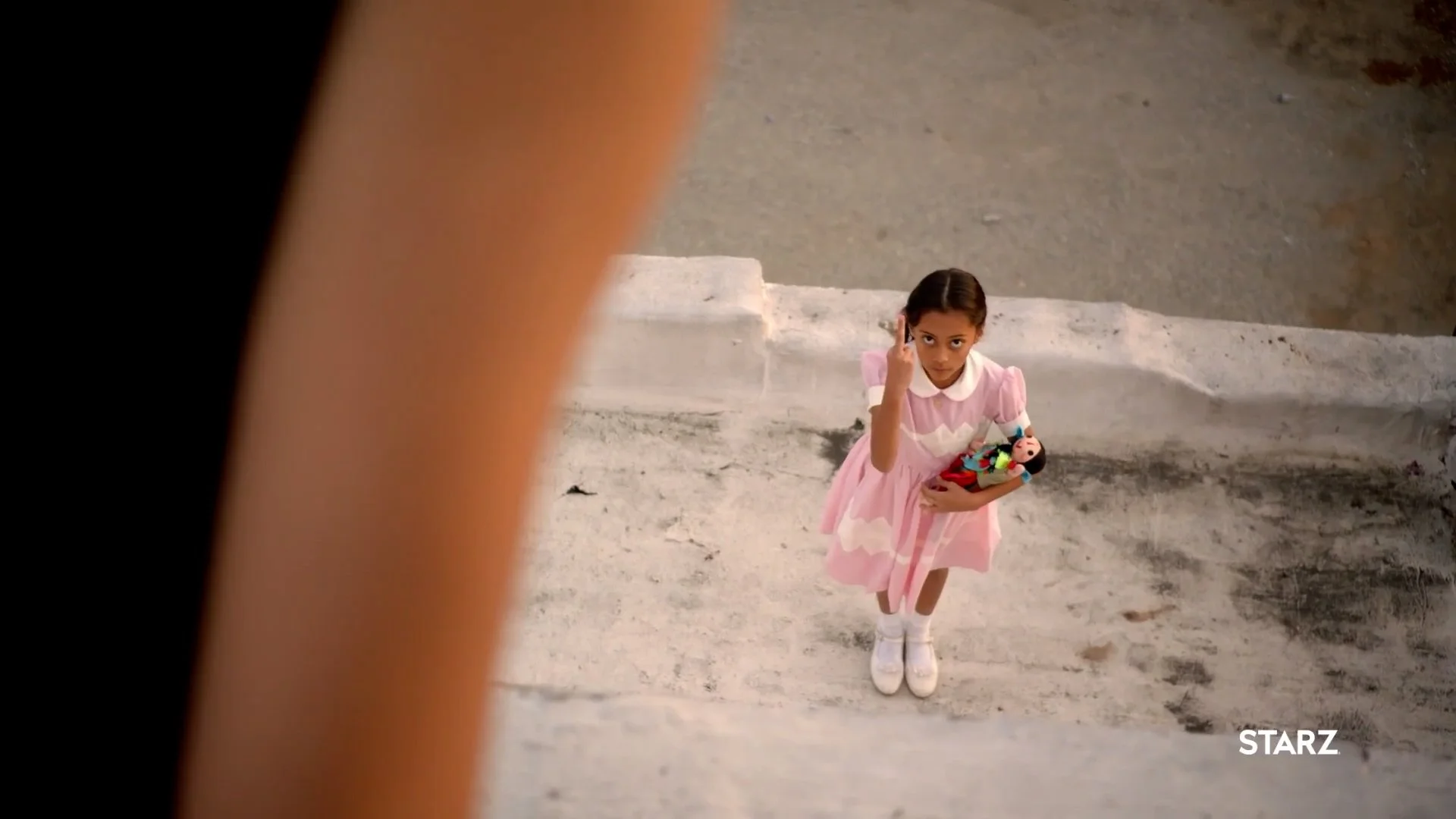
Vida, episode 1, written by Tanya Saracho, directed by Alonso Ruizpalacios, Starz, 2018, https://youtu.be/_pTz_4DxiH4?si=kbIHy3dk3opm3OSR&t=1678.
The spirit of the eponymous character of the cable series, Vida, is sometimes depicted as young girl in a pink dress. In the first episode of the series, her first-born daughter Emma keeps catching glimpses of young Vida on the roof of the building which the family owns. Emma is not aware at first that the little girl is the younger spirit of her recently deceased mother. When Vida dies, Emma comes back to L.A. from Chicago to handle the funeral arrangements, and while she is there Emma discovers her mother secretly married a woman a couple years prior. Emma is upset because when she was a young girl, Vida caught her and another little girl kissing in the building and promptly sent Emma away to live with her grandmother in Texas. In this series, Emma navigates being Mexican and American, Chicana and white passing, having roots in California and Texas (and later Chicago), a high-earning executive and coming from a working-class environment, sexual attraction to men and women, and to non-binary people. Vida was equally complicated; Emma and Vida are reflections of each other.
In settling her mother’s affairs, Emma discovers Vida’s life was in shambles. She was being targeted by a predatory developer posing as a lender. In order to save her family businesses (apartment building and bar), Emma rolls up her sleeves and jumps into action. She goes after her late mother’s predators, homophobes, and enemies. Vida and Emma manage to heal their complicated relationship even after Vida dies, and it is her ghost or spirit in the form of a girl in a dress that facilitates that healing.
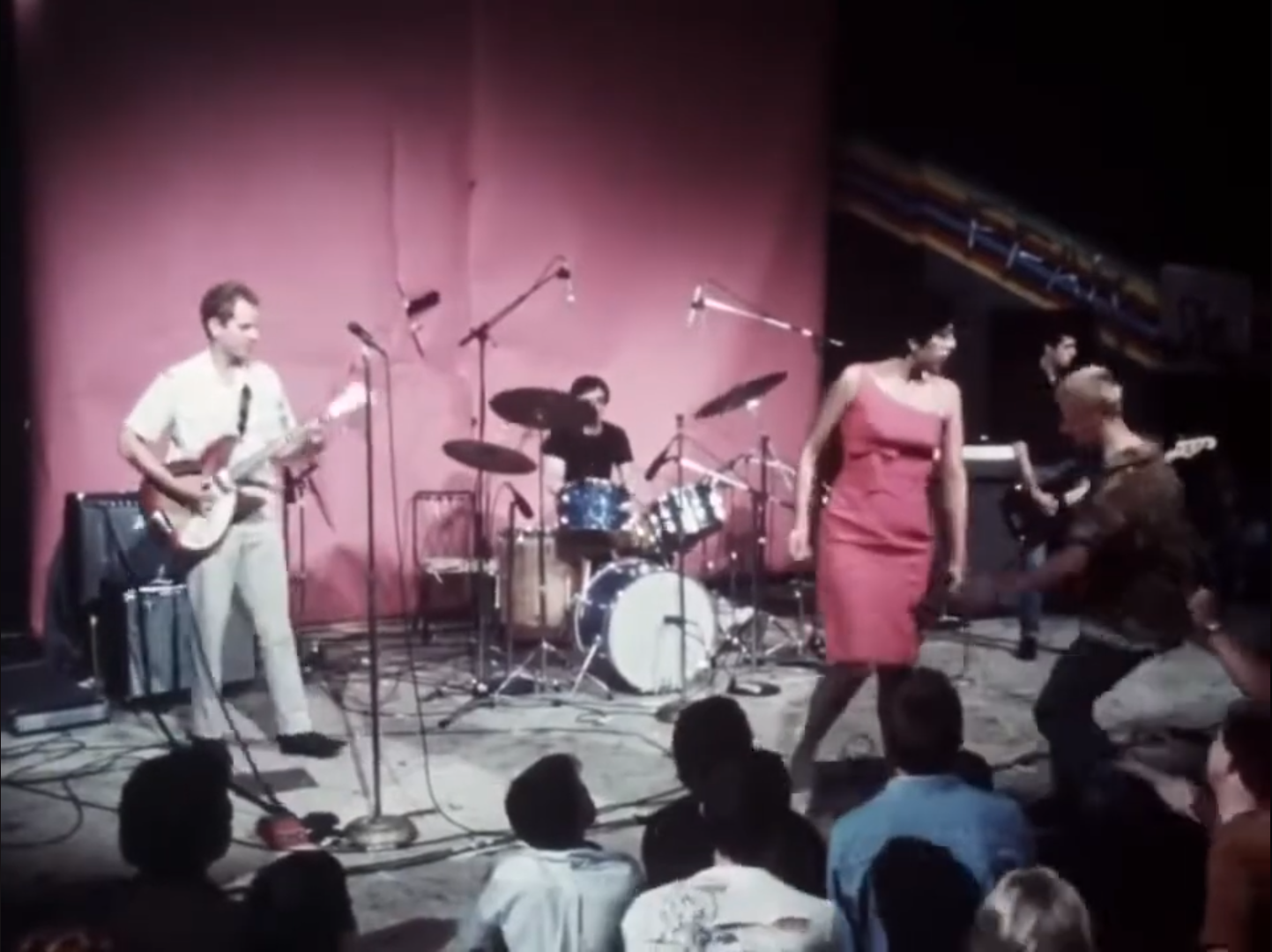
The Decline of Western Civilization, directed by Penelope Spheeris, 1981, https://youtu.be/0s2MwQtK17k?si=QRwsjmw8_qKBFS_a&t=30.
In the documentary about the Los Angeles punk scene, the Chicana punk singer Alice Bag evokes this trope in a performance. She wears a pink dress with a bow and pink pumps, but when a blonde punk boy tries to go on stage, she steps in front of him and looks him in the eye as if to say, “don’t try it little boy.” Her nickname was Violence Girl because she channelled all of her anger and frustration into her performance, which was then transmitted to the audience who would then break into a violent frenzy. Her band, The Bags, were kicked out of almost every venue. Not because Bag was ever violent, but rather, Bag was so powerful in her delivery that The Bag’s audiences would transcend into chaos. In one famous instance, Esther Wong of Madame Wong’s attributed the audience’s behavior to a female lead singer and subsequently banned all female-fronted bands.
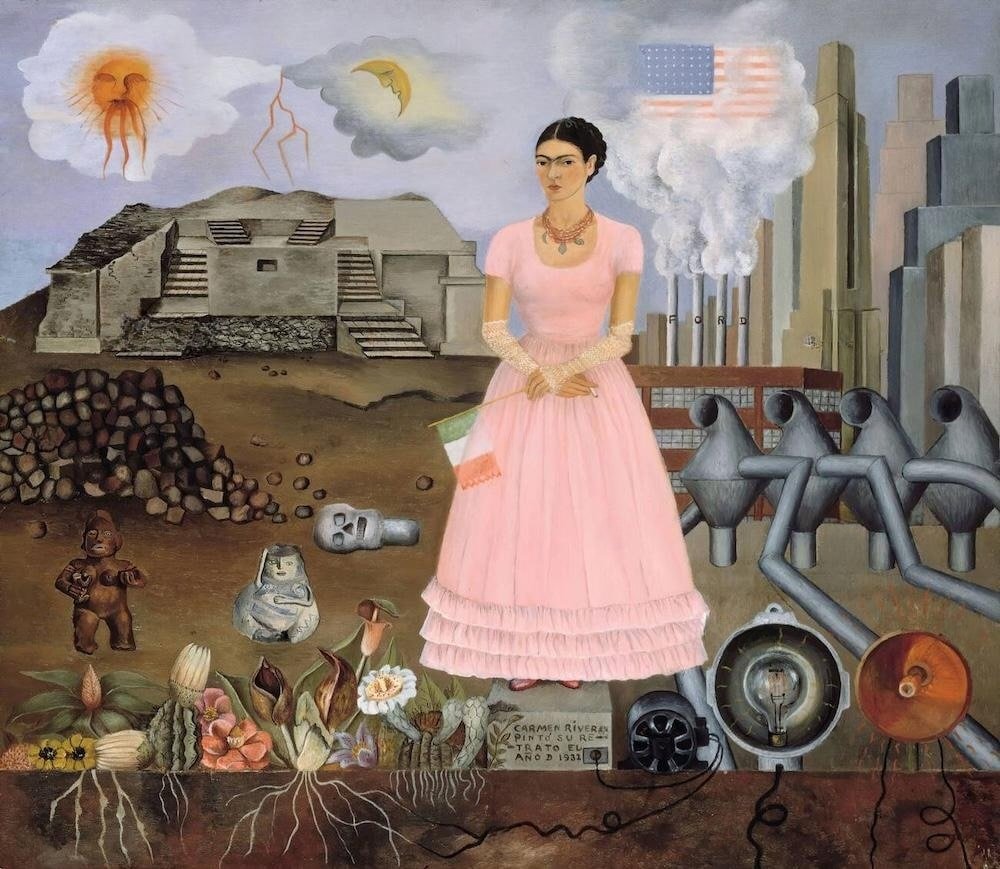
“Self-portrait Along the Borderline Between Mexico and the United States,” 1932, Frida Kahlo, https://www.fridakahlo.org/self-portrait-along-the-boarder-line.jsp, https://youtu.be/jmHMCsG7gGE?si=hK9xfXwqsAWkyGgj.
Kahlo was a small disabled Mexican woman; That did not stop her from blowing peoples’ minds. This famous painting is often interpreted by art historians as a reflection of Kahlo’s homesickness, but I see something else here. She stands between two ideologies, and she chose the two nations she resided in to symbolize those opposing ways of seeing the world. Appropriately, on the left Mexico represents an Indigenous, Mesoamerican, and American (“American,” as in the two continents, The Americas, or the western hemisphere) ontology which is informed by the cosmos and the Earth, while dealing with the aftermath of colonization. This side occupies more space than the right. The right depicts the United States with industrialization and pollution in service of a capitalist ideology. The right seems to have departed from nature, the Earth, and the cosmos altogether which synthetic stars in the sky depicted in the flag. She exists in both spaces but the Indigenous ontology dominates her world.
The pink dress, which is not what she usually wore, for public appearances she wore Indigenous Oaxacan clothing, represents the “good Mexican daughter” which society expects of her, in fact she holds a Mexican flag on her left hand, but her right hand holds a cigarette. The toxic cigarette on her right hand is on-brand with the depiction of the polluted U.S. on the right side of the canvas, so in a way, this connects her to this ideology. She navigates both spaces, both ideologies. It is notable that, while wearing a frilly, pink dress, by holding a cigarette she flips the bird at the patriarchal nature that Mexico (and the Americas) has inherited from its colonizers and their notions of a “proper,” “well-behaved,” well-mannered” woman.
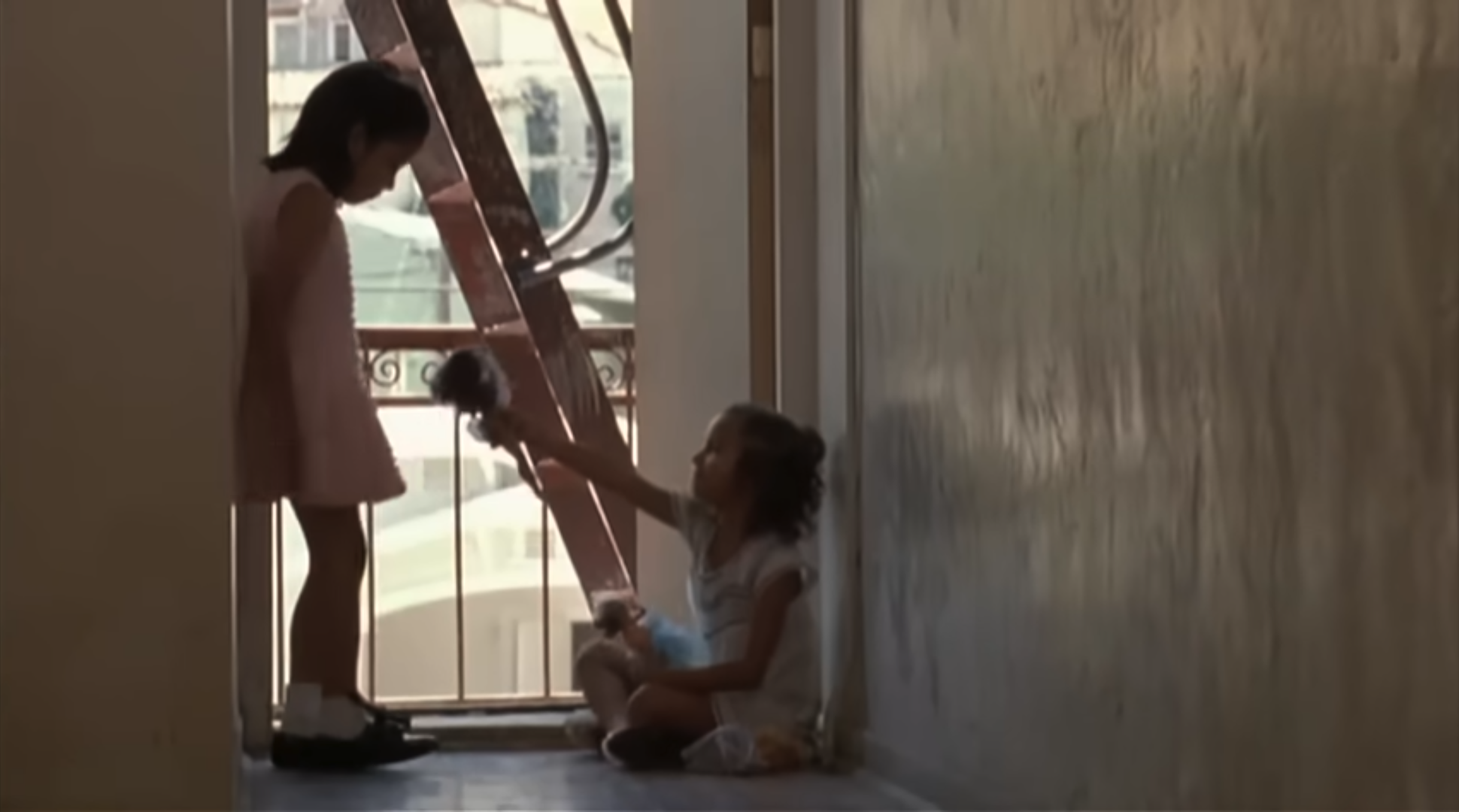
Mi Vida Loca, directed by Allison Anders, 1993, https://youtu.be/TasytnBOXaM?si=aTYanOmouV8_TjVi&t=283.
Maribel and Mona a.k.a. Mousie and Sad Girl first meet as little girls in their apartment building in Echo Park. Maribel, wearing a pink dress, is running away from her mom and hiding because she is in trouble. Mona sees her and points her to a hiding spot on the fire escape. That moment begins a powerful bond between the girls which is challenged when they both end up having kids with the same guy. In the end, Mousie’s and Sad Girl’s relationship survives, and the guy doesn’t. Their friendship endures a lot of very real forces that Chicanas often face, but together they are more powerful and happier. Both Maribel and Mona are tough mujeres. They belong to a gang (Echo Park Locas). When they go to rival gang party, they do not hesitate let every one know where they are from, even if no one asks. More importantly, they protect their community and they look after the people in their community.
The Restorative Powers of Sillas
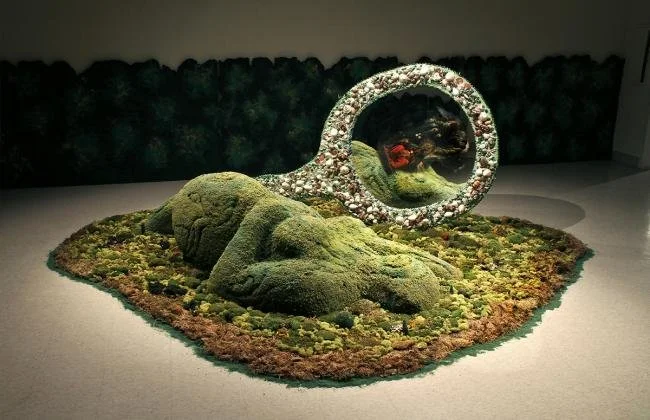
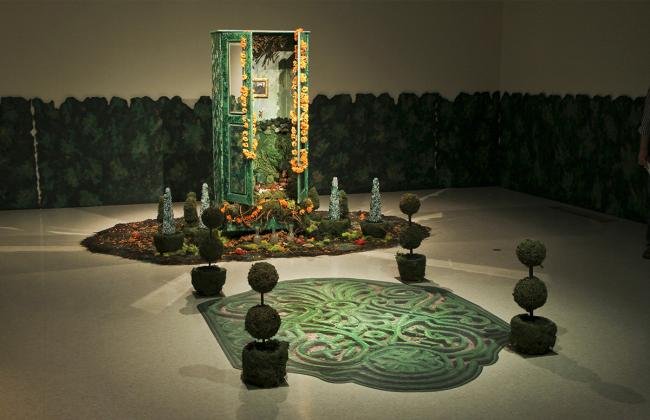
Mexican Kid After-hours at a Fiesta | Circle of Ancestors
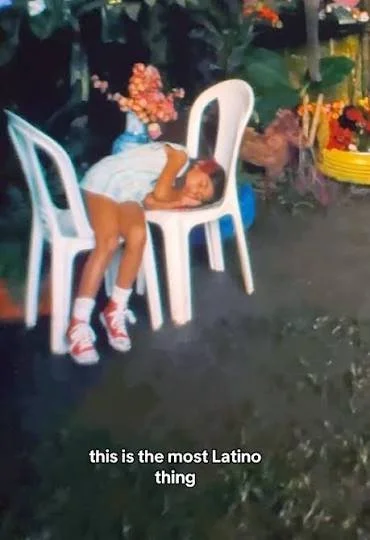
This is a Mexican rite of passage. Performing this rite makes gives one powers.
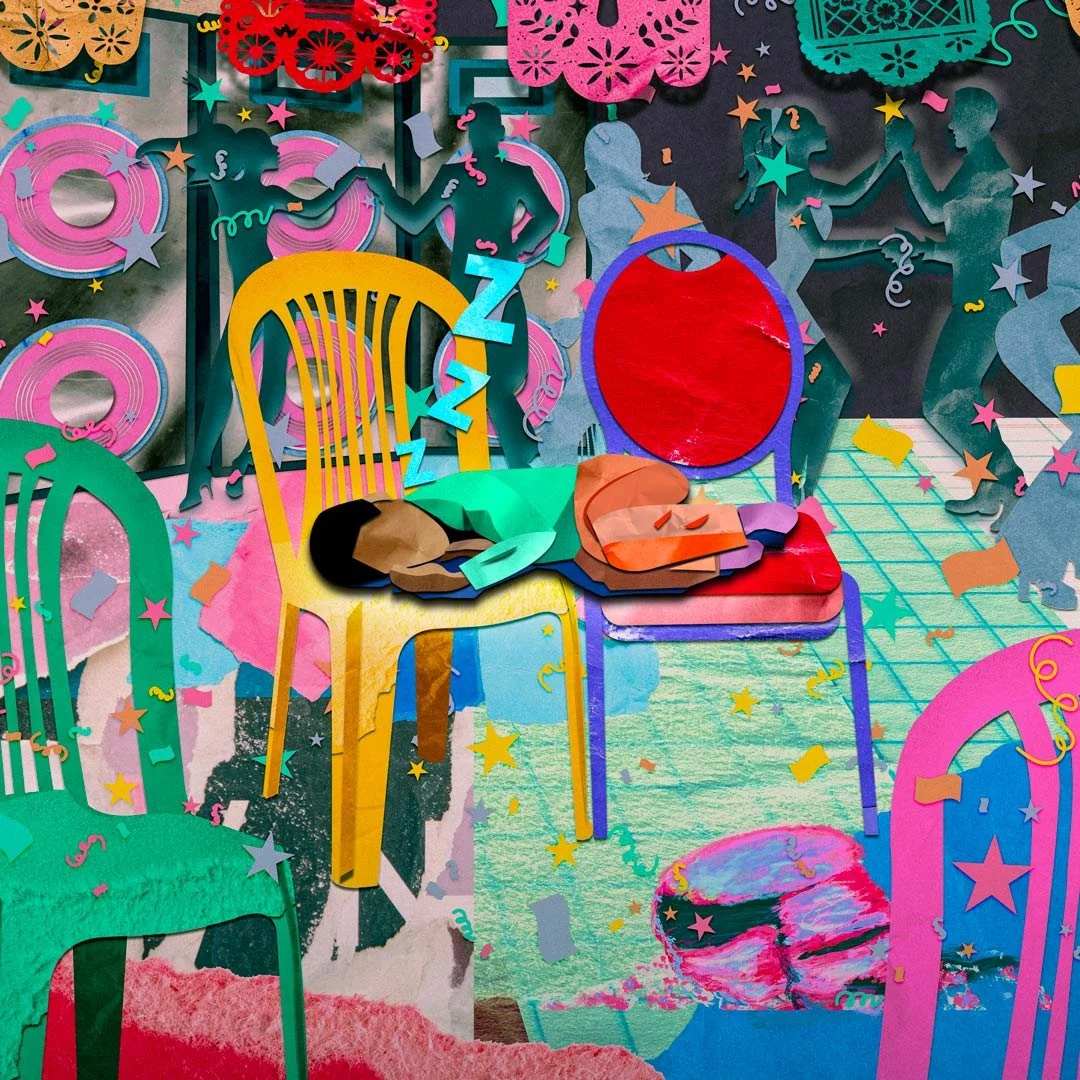
Every Mexican kid has experiences this moment. They are at a quinceañera or some sort of fiesta; it gets late; their parents are having a great time; Mexican fiestas will often carry on til the next day, sometimes longer; the kid is tired; two folding chairs are pulled together to serve as a makeshift bed; some of the best sleep you’ll ever have is in this very situation.
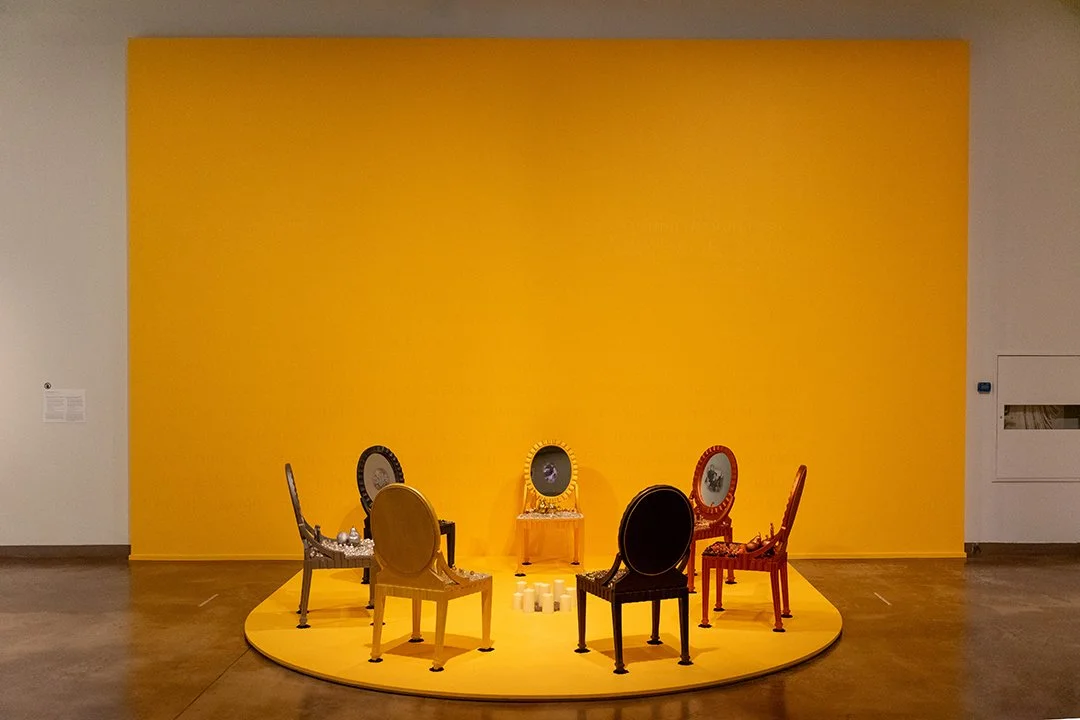
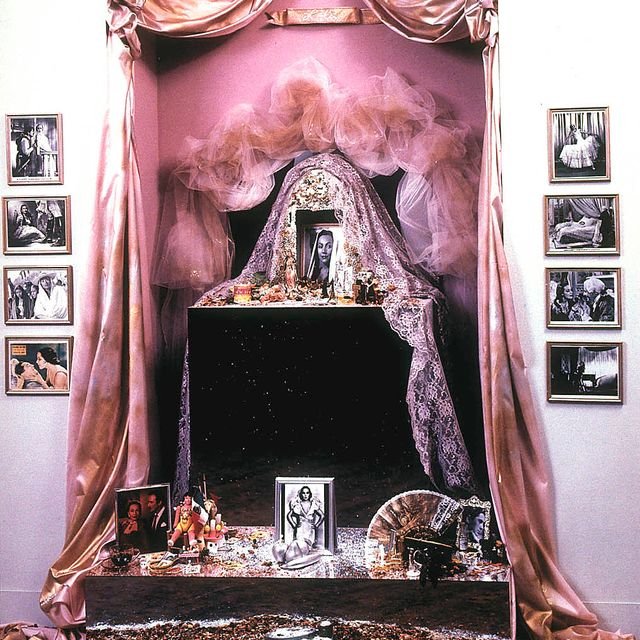
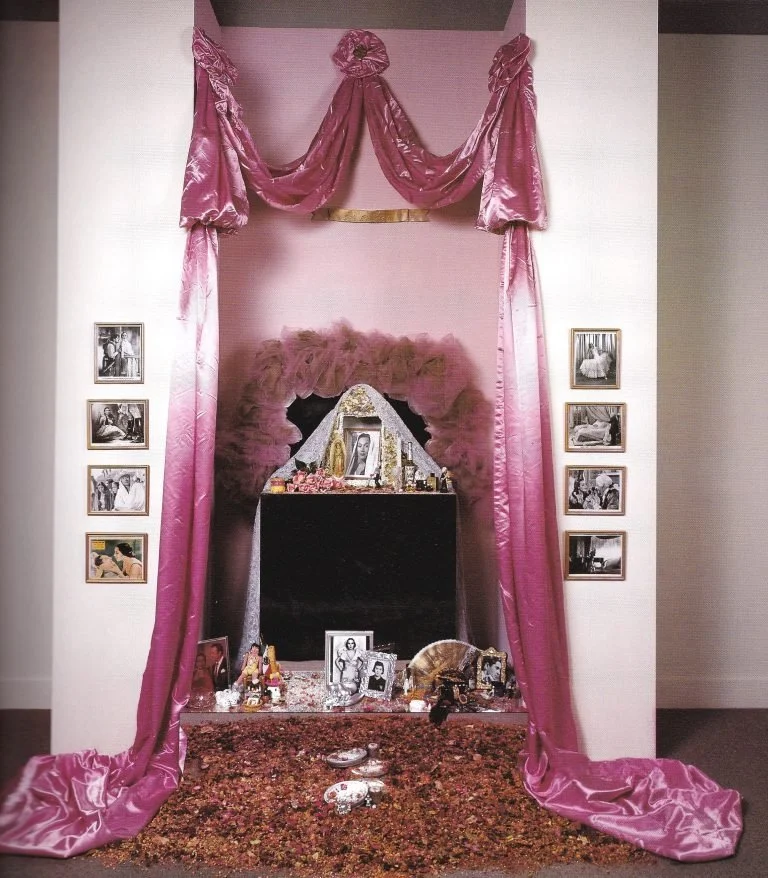
Circle of Ancestors, 1995, Amalia Mesa-Bains,
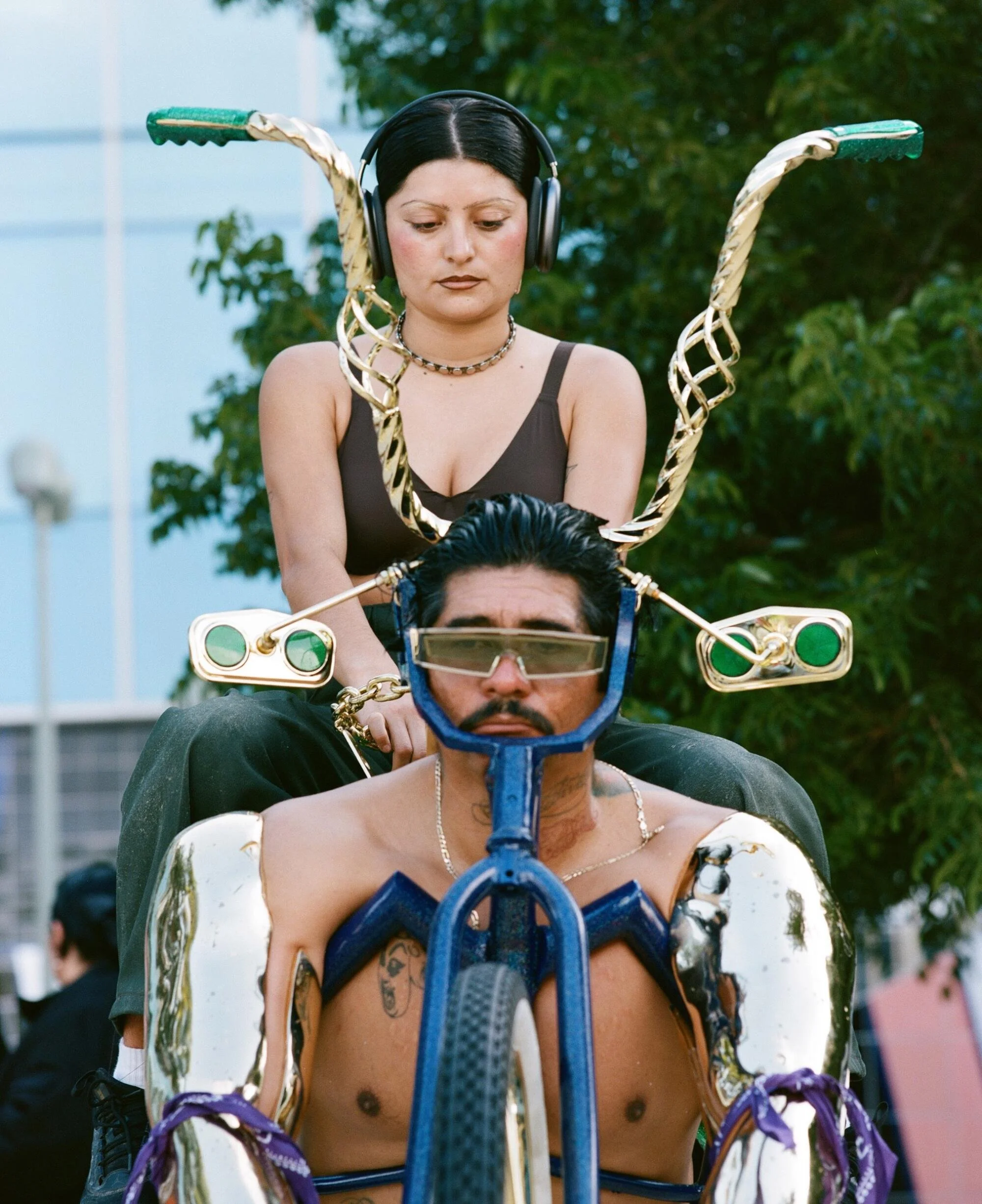
CorpoRanfLA: Terra Cruiser
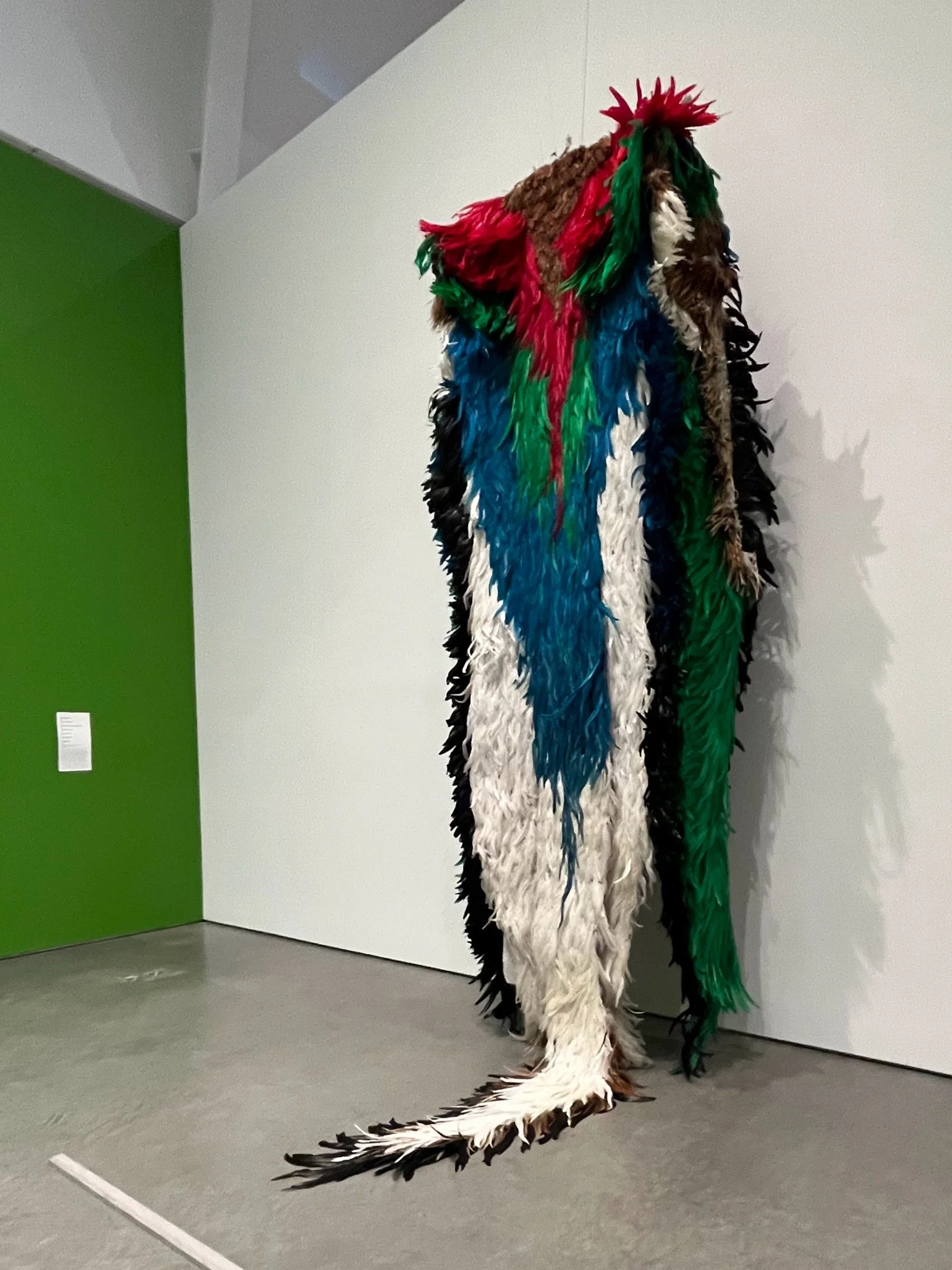
Agustín’s curandero who guides and protects him as he travels between borders, realms, worlds, dimensions, realities.
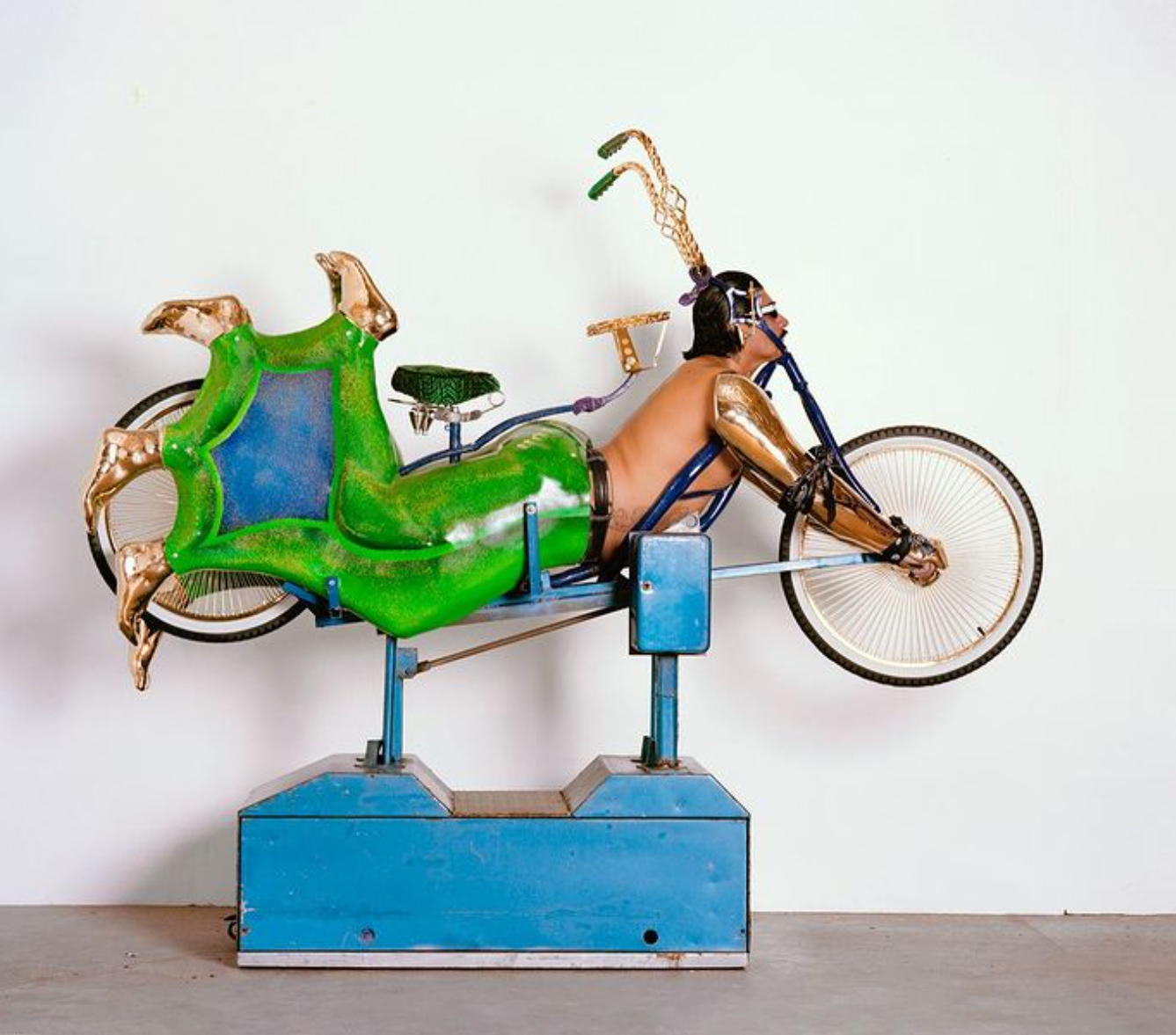
“CorpoRanfLA: Terra Cruiser 4everz,” rafa esparza.